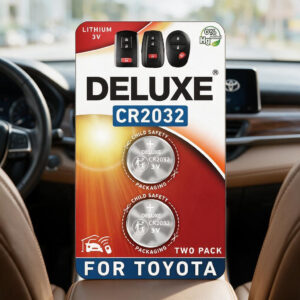
Toyota Highlander Key Fob Battery CR2032: Deluxe Lithium 3V
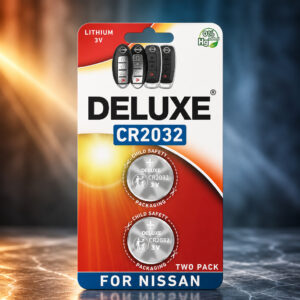
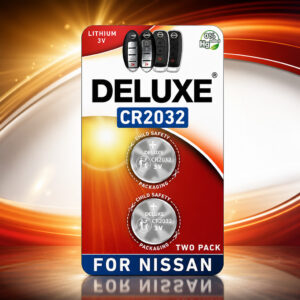
A Toyota Highlander smart key uses one CR2032 3V lithium coin battery, positive side up. The Deluxe Lithium CR2032 3V two-pack is made for compatible Toyota smart-key remotes.
This page contains affiliate links. We may earn a commission if you buy through them, at no extra cost to you.
Will This Battery Work in Your Highlander Key?
Toyota owner’s manuals list CR2032 for Highlander smart keys and CR2016 for standard-key remotes. The 2026 Highlander manual lists CR2450. Run this quick check before you buy.
The Amazon listing says this pack does not fit standard Toyota keys with a metal blade fixed in the fob. It also excludes some 2021–2025 fobs with a silver Toyota logo on the front. Use the fitment guide in the listing images and match the size in your manual.
Deluxe Lithium CR2032 3V Specifications
| Property | Detail |
|---|---|
| Brand / model | Deluxe Batteries, Deluxe Lithium CR2032 3V (Amazon ASIN B0D5HYKKP8) |
| Battery size | CR2032 coin cell |
| Chemistry | Lithium, single-use and non-rechargeable (standard CR2032 cells use Li/MnO₂) |
| Nominal voltage | 3 V |
| Listed capacity | 225 mAh (from the Amazon listing, not independently tested) |
| Dimensions (standard CR2032) | 20 mm diameter × 3.2 mm thick |
| Pack contents | 2 batteries, no key fob |
| Intended use | Compatible Toyota smart-key remotes |
| Excluded keys (per listing) | Standard keys with a fixed metal blade, some 2021–2025 silver-logo fobs |
| Reprogramming | Not needed for a routine battery change |
| Toyota key battery life | 1 to 2 years (Toyota manual, general figure) |
| Weight, temperature range, shelf life | Not stated in the listing details we reviewed |
Capacity is the figure shown on the Amazon listing. Other brands publish their own figures for CR2032 cells, and those figures do not describe Deluxe cells.
Highlander Key Battery Replacement Difficulty
For an undamaged smart key, this is an easy DIY job. You need one small flathead screwdriver and one fresh CR2032. No programming is needed for a routine battery change. The hard part is buying the right size. Tap a slice to highlight it.
- 30% Opening the case
- 15% Swapping the cell
- 35% Choosing the right battery
- 20% Closing & testing the key
Difficulty score and effort split are an editorial estimate for an undamaged smart key, not an official rating. Allow about 10 to 15 minutes the first time, based on iFixit’s 2014 Highlander guide.
How to Replace Your Highlander Key Fob Battery
Tap each step to tick it off as you go. These steps apply to smart keys that take a CR2032.
- 1Remove the mechanical keyHold the release latch and pull the metal emergency key out of the fob.
- 2Open the caseCover the screwdriver tip with a cloth, place it in the opening slot and twist gently until the case halves separate.
- 3Swap the batteryCheck that the old cell reads CR2032 and note which side faces up. Fit the new CR2032 positive (+) side up, matching the old cell. Do not bend the terminals or touch other parts.
- 4Close the keyLine up the case halves, snap them shut and slide the mechanical key back in.
- 5Test the keyTry lock and unlock near the vehicle, then check the push-button start.
Check the battery size, the positive side and the contact. The cell must sit flat and the case must close fully. Try a fresh CR2032 from the pack. If the case will not close firmly, stop using the key, keep it away from children and see a Toyota dealer.
Other Devices That Use a CR2032
CR2032 is a common coin cell size. Confirm the battery type in each device manual. The Deluxe pack is listed for Toyota keys, and the listing does not cover use in other devices.
- Other car key fobsCheck your key’s size first
- Pedometers & stopwatchesSporting goods
- Garage-door openersCheck your manual
- Door chimesCheck your manual
- CalculatorsCheck your manual
- WatchesCheck your manual
- Toys & gamesCheck your manual
- LED lightsCheck your manual
- Glucose monitorsCheck your manual
- Heart-rate monitorsCheck your manual
- Apple AirTagApple specifies CR2032
- Computer motherboardsMemory & clock backup
Safety, Storage & Disposal
A swallowed 20 mm lithium coin battery can cause severe injury in as little as two hours. Keep new and used cells away from children. Get emergency help immediately if you suspect ingestion. In the US, call the National Battery Ingestion Hotline at 1-800-498-8666.
- Never recharge, crush, open or burn it.
- Keep spare cells dry and away from metal objects.
- Keep used cells out of household trash and recycling bins.
- Tape terminals or bag each cell, then use a battery collection point.
Highlander Key Fob CR2032: FAQ
Does every Toyota Highlander key fob use a CR2032?
No. Toyota manuals list CR2032 for Highlander smart keys and CR2016 for standard-key remotes. The 2026 Highlander manual lists CR2450. Always match the size in your own manual or on the old battery.
What comes in the Deluxe Lithium CR2032 3V pack?
Two CR2032 3V batteries. A routine key fob change uses one. The second is a spare. No key fob is included.
How long does a Highlander key fob battery last?
Toyota gives a standard electronic key battery life of 1 to 2 years. The battery drains even when the key is not used. This is Toyota’s general figure, not a guarantee for any one brand.
Is the Deluxe CR2032 rechargeable?
No. The pack is listed as single-use. Never try to recharge it.
Do I need to reprogram my Highlander key after a battery change?
No. A routine battery change in the documented smart-key design does not need reprogramming.
Can I use a CR2016, CR2025 or CR2450 instead?
No. Toyota says to use the battery type named in the manual or a type the manufacturer recommends. Similar names do not mean the cells are interchangeable.
What if my key fob still does not work after a battery change?
Confirm the battery size, check the positive side is up, make sure the cell sits flat against the contacts and the case is fully closed, then try a fresh CR2032. If it still fails, the fob may have a fault.
How should I dispose of a used CR2032?
Do not put it in household trash or recycling bins. Tape the terminals or bag each cell individually and take it to a battery collection or household hazardous-waste service. Keep used cells away from children.